Battery & Charging Checks
Preventing unexpected non-starts and electrical issues.
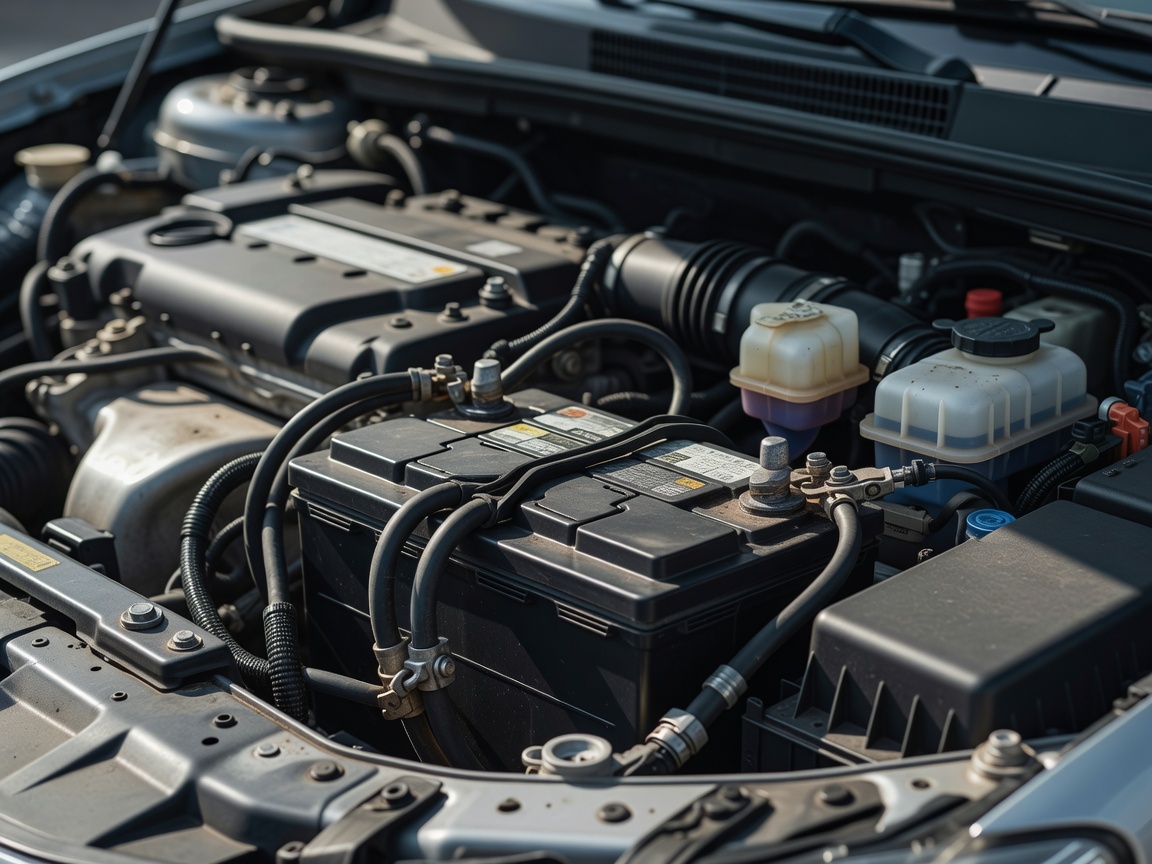
Slow Starting
If the engine cranks over more slowly than usual when you turn the key or press the start button, it is often the first physical symptom of a weakening battery. This means the battery is struggling to deliver the high amperage required by the starter motor.
Clicking When Starting
A rapid clicking sound when attempting to start the vehicle usually means there is just enough power to engage the starter solenoid, but not enough to actually spin the engine. This is a strong indicator of a depleted or failing battery, or poor terminal connections.
Battery Age
Vehicle batteries degrade over time due to repeated charge and discharge cycles and temperature fluctuations. While exact lifespans cannot be guaranteed, older batteries naturally hold less charge and are more prone to sudden failure, particularly in extreme weather.
Charging System Considerations
A battery check should ideally encompass the charging system (alternator) as well. If the alternator is not outputting the correct voltage, a perfectly good battery will eventually drain. Conversely, a failing battery can put excessive strain on the alternator.
Electrical Symptoms
Dimming headlights when idling, slow electric windows, or erratic dashboard behavior can occasionally point to low system voltage caused by battery or alternator issues.
Cold-Weather Effects
Low temperatures slow down the chemical reaction inside lead-acid batteries, reducing their available starting power. At the same time, cold weather requires more power to turn over a cold engine with thicker oil. This combination is why battery failures are most frequently noticed during the winter months.